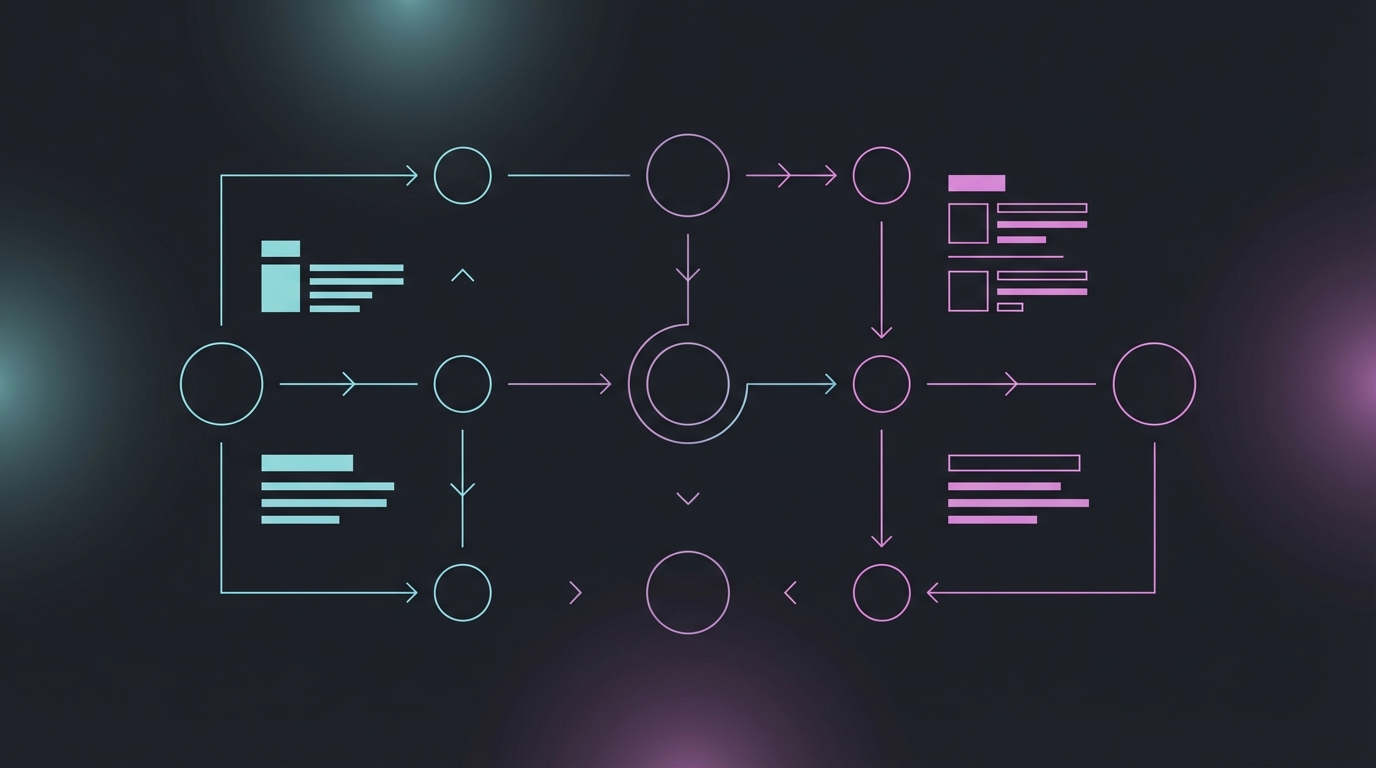
The Anatomy of a Delegatable Task: Structured Definitions for AI Agents
Vague task descriptions produce vague results. A structured template ensures AI agents have everything needed for autonomous execution.
Vague task descriptions produce vague results. A structured template ensures AI agents have everything needed for autonomous execution.

Stop fragmenting your notes across locations. A single Obsidian vault with everything—seeds, drafts, posts—creates connections you’d never see otherwise.

When your AI bot can send texts and access real files, how do you test the sandbox without blowing up your actual data? A four-phase approach.

Stop invoking AI skills manually. Configure them to auto-load, turning one-off commands into persistent background behaviors.

Inspired by Teresa Torres, I built a single command that pulls my calendar, email, and newsletters into a daily briefing document—then syncs it everywhere.

Stop documenting your work manually. Configure AI to silently capture insights, decisions, and mistakes while you focus on actual thinking.

Breaking complex tasks into dependency-aware waves lets multiple AI agents work simultaneously—but theoretical parallelism doesn’t always match practical execution.

Your API keys don’t belong in shell config files. Here’s a wrapper pattern that fetches secrets from Keychain only when needed.

Stop separating ’the work’ from ‘writing about the work.’ When you work with AI, the conversation itself is the content.

Why the gap between thought and article kills most ideas, and how dialogue with AI bridges it.